

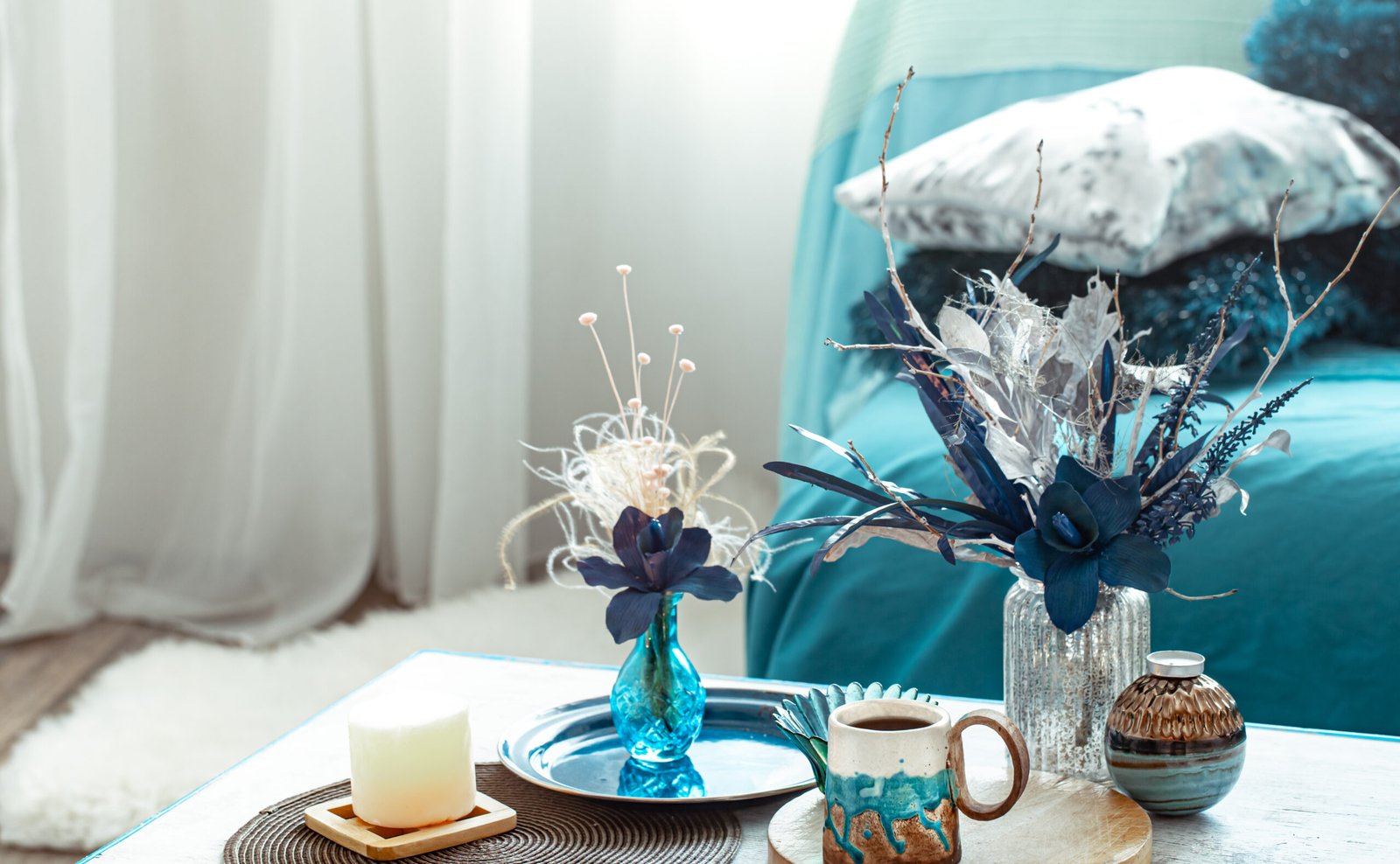
Defining your personal home décor style can feel overwhelming—especially when inspiration is everywhere. From glossy magazines to social media feeds and display homes, it’s easy to admire many looks without knowing which one truly feels like you. The good news is that your décor style doesn’t need to fit neatly into a single category. Instead, it should reflect how you live, what you love, and how you want your home to make you feel.
Whether you’re decorating a new home, refreshing a tired space, or simply trying to bring more cohesion into your interiors, this guide will help you confidently define a décor style that feels personal, timeless, and practical. Along the way, you’ll also discover how to thoughtfully incorporate decorative details (like how to style ornaments in your home beyond the Christmas season) to elevate your space all year round.
Start with How You Want Your Home to Feel
Before thinking about colours, furniture, or trends, consider the emotional experience you want your home to offer. Ask yourself:
- Do I want my space to feel calm and restorative?
- Warm and welcoming?
- Energetic and creative?
- Sophisticated and refined?
Your answers will guide your choices far more effectively than trying to label your style upfront. A home designed around how you want to feel will always feel more authentic than one designed purely to impress.
Look for Patterns in What You’re Drawn To
Take note of the interiors you consistently admire. Save images, bookmark websites, or create a simple mood board. Over time, patterns will emerge. You might notice recurring elements such as:
- Neutral colour palettes with natural textures
- Bold contrast and architectural lines
- Layered textiles and handcrafted details
- Minimal spaces with curated statement pieces
These common threads reveal your natural preferences and form the foundation of your décor style—even if that style ends up being a blend rather than a single category.
Understand Popular Décor Styles (Without Feeling Boxed In)
While you don’t need to lock yourself into a specific style, understanding the basics can help you articulate what you like and don’t like.
- Scandinavian interiors prioritise light, simplicity, and functionality.
- Modern spaces focus on clean lines, minimal clutter, and understated elegance.
- Industrial styling embraces raw materials like concrete, steel, and exposed timber.
- Bohemian décor celebrates colour, texture, and eclectic personal expression.
- Coastal design reflects light, airiness, and a connection to nature.
Many Australian homes naturally combine elements from multiple styles—such as modern foundations softened with coastal or organic details.
Let Your Lifestyle Lead the Way
Your décor should support how you live, not fight against it. A home with children, pets, or frequent guests needs to be durable and flexible, while a quieter household might prioritise visual harmony and delicate finishes. Consider:
- Storage needs and daily routines
- How often you entertain
- Maintenance and cleaning preferences
- Long-term adaptability
Practicality doesn’t mean sacrificing beauty—it simply ensures your style works in real life, not just in photos.
Choose a Core Colour Palette You Love Living With
Colour has a powerful influence on mood and cohesion. Start with a base palette you feel comfortable living with long-term—often neutrals like warm whites, soft greys, or earthy tones. From there, layer accent colours through décor items, artwork, cushions, or ornaments. This approach allows you to refresh your space seasonally without redoing everything, while still maintaining a consistent visual identity.
Build Character Through Texture and Detail
Once the foundation is in place, it’s the details that bring personality to life. Textures such as timber, stone, ceramics, glass, linen, and metal add depth and interest, especially in neutral spaces. Decorative objects—when chosen thoughtfully—can tell your story. Travel finds, sculptural pieces, artwork, and ornaments don’t need to be reserved for special occasions. When styled intentionally, they become part of your everyday environment, adding warmth and meaning without clutter.
Edit Ruthlessly (But Keep What Matters)
A well-defined décor style isn’t about filling every surface—it’s about curation. Take time to assess what you already own and be honest about what fits your evolving aesthetic. Ask yourself:
- Does this item serve a purpose or spark joy?
- Does it complement the rest of the space?
- Would the room feel better without it?
Letting go of pieces that no longer resonate makes room for items that truly reflect who you are now.
Allow Your Style to Evolve Naturally
Your home décor style isn’t static. As your life changes, so will your tastes, priorities, and influences. Rather than chasing trends, focus on building a flexible base that allows you to introduce new elements gradually. This mindset leads to homes that feel layered, lived-in, and genuinely personal—rather than styled overnight.
Bringing It All Together
Defining your personal home décor style is less about rules and more about self-awareness. By understanding how you want your home to feel, recognising patterns in what you love, and thoughtfully layering practical choices with personal details, you create a space that feels cohesive and uniquely yours.
When your home reflects your personality, lifestyle, and values, it becomes more than just a place to live—it becomes a space you truly belong in.